At Navodaya Hospital, Meerut, a trusted multispeciality hospital, we provide specialized care for patients suffering from Aortic Stenosis, a serious condition in which the heart’s aortic valve becomes narrow and restricts normal blood flow from the heart to the body. This condition is expertly managed by our advanced Cardiology Department, which is dedicated to diagnosing and treating a wide range of heart diseases using modern technology and evidence-based medical care. Our team of highly experienced cardiologists carefully evaluates each patient and recommends the most suitable treatment based on the severity of the condition. We offer complete cardiac testing under one roof, including ECG, 2D Echocardiography (Echo), TMT, Cardiac CT, and other advanced investigations through our fully equipped modern laboratory, ensuring accurate and timely diagnosis. Supported by state-of-the-art infrastructure, advanced interventional facilities, and round-the-clock medical support, Navodaya Hospital ensures safe procedures and effective treatment outcomes. Known for reliable results, compassionate care, and high patient satisfaction, we are committed to helping patients in Meerut and nearby regions manage heart valve diseases early, prevent complications, and lead healthier, more active lives.
What Is Aortic Stenosis and What Are the Symptoms?
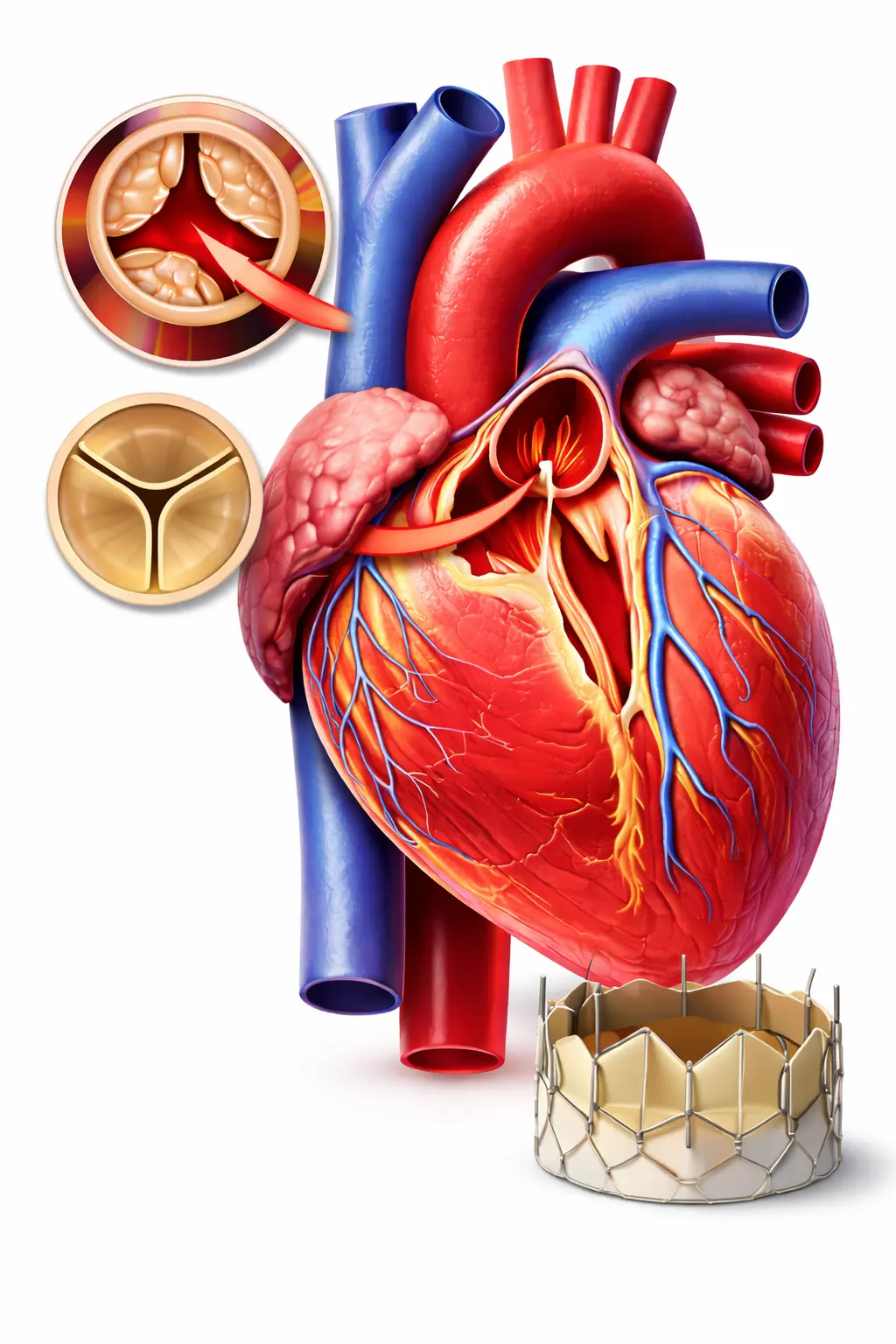
Aortic Stenosis is a heart condition in which the aortic valve becomes narrow, making it harder for blood to flow from the heart to the rest of the body. As the valve becomes tighter, the heart has to work harder to pump blood. Common symptoms of Aortic Stenosis may include chest pain, shortness of breath, fatigue, dizziness, or fainting, especially during physical activity.
At Navodaya Hospital, Meerut, our experienced cardiology specialists diagnose Aortic Stenosis using advanced heart tests and provide timely treatment to help patients maintain better heart health and prevent serious complications.
Common Problems of Aortic Stenosis
1.Chest Pain or Chest Pressure
2. Shortness of Breath
3. Fatigue or Weakness
4. Dizziness or Lightheadedness
5. Fainting (Syncope)
6. Heart Palpitations
7. Reduced Ability to Exercise
8. Swelling in Feet or Ankles
9. Heart Murmur
10. Heart Failure (in severe cases)

Comprehensive Aortic Stenosis Services at Navodaya Hospital, Meerut
At Navodaya Hospital, Meerut, a trusted multispeciality hospital, our Cardiology Department provides comprehensive services for the diagnosis and treatment of Aortic Stenosis, a serious heart valve condition that affects blood flow from the heart to the body. Our experienced specialists use advanced technology and modern diagnostic methods to accurately detect and manage this condition. The hospital offers all important cardiac and laboratory tests related to Aortic Stenosis under one roof at Affordable prices, ensuring timely diagnosis and effective treatment for patients in Meerut and nearby areas.
1. Cardiology Consultation & Medical Management
Our experienced cardiologists evaluate symptoms, medical history, and heart health to diagnose Aortic Stenosis and other heart valve disorders. Based on the patient’s condition, doctors may recommend medications, lifestyle changes, and personalized treatment plans to manage symptoms and support heart health.
2. Echocardiography (2D Echo) & Heart Valve Assessment
2D Echocardiography (Echo) is one of the most important tests for diagnosing Aortic Stenosis and heart valve disease. It helps doctors examine the structure of the aortic valve, evaluate blood flow, and determine the severity of valve narrowing.
3. Electrocardiogram (ECG) & Treadmill Test (TMT)
ECG is used to monitor heart rhythm and detect abnormalities caused by heart valve conditions. The Treadmill Test (TMT) evaluates how the heart functions during physical activity and helps assess overall cardiac performance.
4. Advanced Cardiac Imaging
Advanced imaging tests such as Cardiac CT Scan provide detailed views of the heart structure and help doctors analyze the condition of the aortic valve and surrounding heart tissues.
5. Cardiac Catheterization
Cardiac Catheterization is a specialized diagnostic procedure used to measure blood pressure and blood flow inside the heart. It helps cardiologists determine the severity of Aortic Stenosis and plan the most appropriate treatment.
6. Interventional Procedures for Aortic Stenosis
Minimally invasive procedures such as Balloon Valvuloplasty may be used to temporarily widen the narrowed aortic valve and improve blood circulation in patients with severe heart valve narrowing.
7. Aortic Valve Replacement Treatments
For advanced cases of severe Aortic Stenosis, treatment options such as Aortic Valve Replacement (AVR) or Transcatheter Aortic Valve Replacement (TAVR) may be recommended. These procedures help restore normal blood flow and improve heart function.
8. Continuous Monitoring, Emergency & Post-Treatment Care
Patients receive regular heart valve monitoring, emergency cardiac care, post-procedure follow-up, and preventive guidance including heart-healthy lifestyle and diet recommendations to maintain long-term cardiovascular health.
Why Choose Navodaya Hospital for Aortic Stenosis Treatment?
At Navodaya Hospital, Meerut, a trusted multispeciality hospital, we provide advanced care for patients suffering from Aortic Stenosis and other heart valve diseases. Our Cardiology Department combines experienced specialists, modern technology, and patient-focused care to ensure accurate diagnosis and effective treatment.
1. Experienced Cardiologists
Expert doctors for accurate diagnosis and treatment.
2. Advanced Technology
Modern tests like 2D Echo, ECG, and cardiac imaging.
3. Multispeciality Hospital
Comprehensive medical care under one roof.
4. All Heart Tests Available
Complete cardiac and lab tests for quick diagnosis.
5. Affordable Treatment
Quality Aortic Stenosis care at reasonable cost.
6. Patient-Centered Care
Focused treatment with regular monitoring and support.
Infrastructure
Navodaya Hospital Meerut offers a safe, comfortable, and efficient healthcare environment supported by modern infrastructure and advanced medical technology. Our well-planned facilities are designed with patient safety, comfort, and faster recovery in mind, ensuring that every patient receives high-quality and reliable medical care.
Frequently Asked Questions
1. What causes Aortic Stenosis?
Aortic Stenosis may be caused by aging and calcium buildup on the valve, congenital heart valve defects, or conditions such as rheumatic fever.
2. How is Aortic Stenosis diagnosed?
Doctors diagnose Aortic Stenosis using tests such as 2D Echocardiography (Echo), ECG, TMT, Cardiac CT Scan, and cardiac catheterization.
3. What treatments are available for Aortic Stenosis?
Treatment options may include medications, regular monitoring, balloon valvuloplasty, aortic valve replacement surgery (AVR), or TAVR procedure.
4. Which doctor treats Aortic Stenosis in Meerut?
Aortic Stenosis is treated by cardiologists and heart specialists who diagnose and manage heart valve diseases.
5. Can Aortic Stenosis be treated without surgery?
In mild cases, doctors may manage the condition with medications and monitoring, but severe cases often require valve replacement procedures.
6. When should I see a doctor for Aortic Stenosis?
You should consult a cardiologist if you experience symptoms such as chest pain, breathing difficulty, dizziness, or fainting.